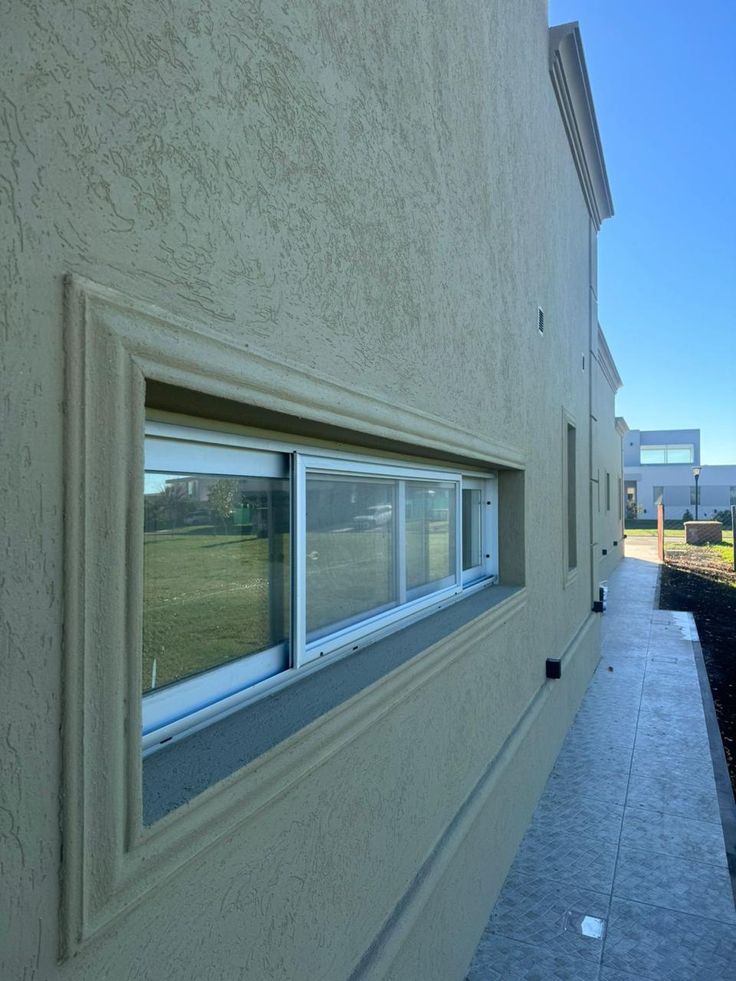
Why Stucco Repair Can't Wait Until After Storm Season

The crack that looks small and isn't
Stucco is one of those exterior finishes that can look completely fine from the street while quietly failing underneath. A hairline crack near a window frame or at a corner seam doesn't seem urgent — until Houston's next heavy rain finds its way behind the stucco and into the wall assembly, where it can sit against wood framing and insulation for weeks before anyone notices a problem inside the house.
By the time you see a stain on an interior wall or ceiling, the water has usually been getting in for a while. That's the core issue with stucco damage in our climate: it's a slow problem that becomes an expensive one if it's ignored.
What to actually look for
Cracks larger than a hairline, especially anywhere they form a pattern (often called "map cracking")
Discoloration or dark staining on the stucco surface, which can indicate trapped moisture
Soft spots — press gently near suspicious areas; stucco over damaged sheathing can feel slightly spongy
Gaps where stucco meets windows, doors, or trim — these seams are the most common entry points for water
Efflorescence — a white, chalky residue, which is a sign that water has been moving through the material
Why timing matters more in Houston than almost anywhere else
Our combination of intense summer heat, high humidity, and heavy seasonal rain is genuinely tough on exterior finishes. Stucco expands and contracts with temperature swings, which is exactly how small cracks form in the first place — and once a crack exists, every heavy rain event pushes more water behind the surface. Getting ahead of repairs before the heaviest rain months isn't just convenient scheduling. It meaningfully reduces how much water gets behind your walls this year.
Repair versus full re-stucco
Not every issue requires redoing the entire exterior. Localized cracking, isolated seam failures, and small areas of damage can often be patched and color-matched without redoing the whole house. Full re-stucco becomes the right call when damage is widespread, when the underlying sheathing has significant water damage that needs to be replaced, or when a home's stucco is old enough that patch repairs would be visibly mismatched. We'll always tell you honestly which situation you're in — we don't upsell a full exterior job when a targeted repair will genuinely solve the problem.
What it costs
Minor crack repair and patching for a section of a home typically starts around a few thousand dollars and scales with scope. Larger-scale repair involving sheathing replacement or multiple problem areas runs higher, and a full re-stucco of a home's exterior is a more significant investment — but one that also comes with a fresh, uniform finish and, with TEC, our written one-year workmanship warranty.
