How to Budget for a $100K+ Remodel Without Losing Sleep
The number isn't the scary part — the uncertainty is
Most homeowners we talk to can handle hearing a real number for their project. What actually creates stress isn't the size of the budget — it's not knowing whether that number is the real number, or whether it's going to grow by 20-30% once the walls are open. That uncertainty, more than the dollar figure itself, is what keeps people up at night during a large remodel.
So rather than another generic "how to budget" checklist, here's what actually reduces that uncertainty in practice.
Build in a genuine contingency — and understand what it's actually for
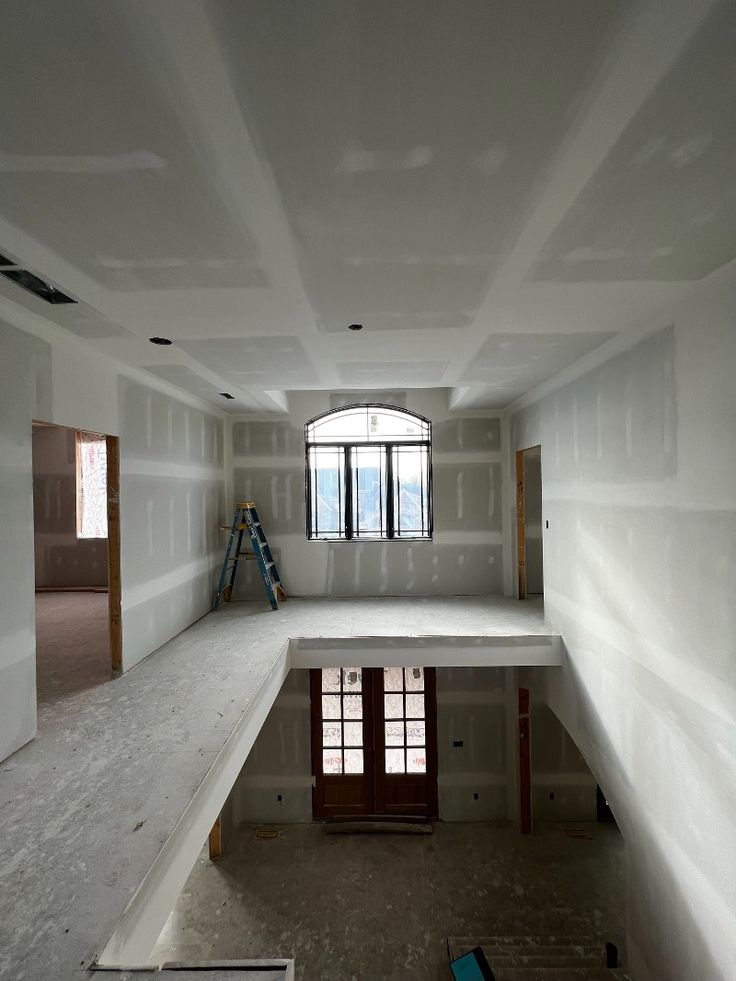
Any project involving opening existing walls, especially in an older home, carries some chance of discovering something unexpected — outdated wiring, water damage behind a wall, foundation issues not visible before demolition. A contingency of 10-15% of your total budget isn't a sign your contractor is padding the number; it's an honest acknowledgment that some things can't be seen until demolition happens. The mistake isn't planning for a contingency — it's not planning for one and then being surprised when something comes up.
Separate "must-have" from "want" before design even starts
The single most effective thing a homeowner can do to protect a budget is to rank priorities before falling in love with specific finishes. If the layout change and the custom cabinetry are true must-haves, and the imported tile is a want, that ranking lets your design team make smart trade-off recommendations when — not if — a decision point comes up mid-project.
Get a real line-item breakdown, not a lump sum
A single total number tells you nothing about where your money is actually going or where there's flexibility if priorities shift. A proper cost breakdown separates labor, materials, allowances for items not yet selected (like tile or fixtures), and permit/engineering costs. This is also the tool that lets you make an informed trade-off — "if we downgrade this counter material, how much does that free up for the appliance package?" — instead of guessing.
Understand what a "selection allowance" actually means
Many cost breakdowns include an allowance for items like tile, fixtures, or lighting that haven't been selected yet — essentially a placeholder budget. If your actual selections come in under the allowance, that's savings. If they come in over, that's where you'll want to know early, not after the item is already installed. Ask specifically what allowances are built into your estimate and what they're based on.
Financing exists, and asking about it isn't a sign of anything
Home equity financing, construction loans, and other financing structures are common for projects at this scale, even among homeowners who could pay cash. It's worth having that conversation with your financial advisor early in the process, not as a last resort if a number comes in high. We're not financial advisors ourselves, so we always recommend having that specific conversation with a professional who is.
Why we lead with transparency instead of a low bid
We won't be the cheapest quote you get. We will be the most honest one. Every TEC estimate includes a detailed breakdown before we ask you to commit to anything, specifically so you're never budgeting in the dark.
