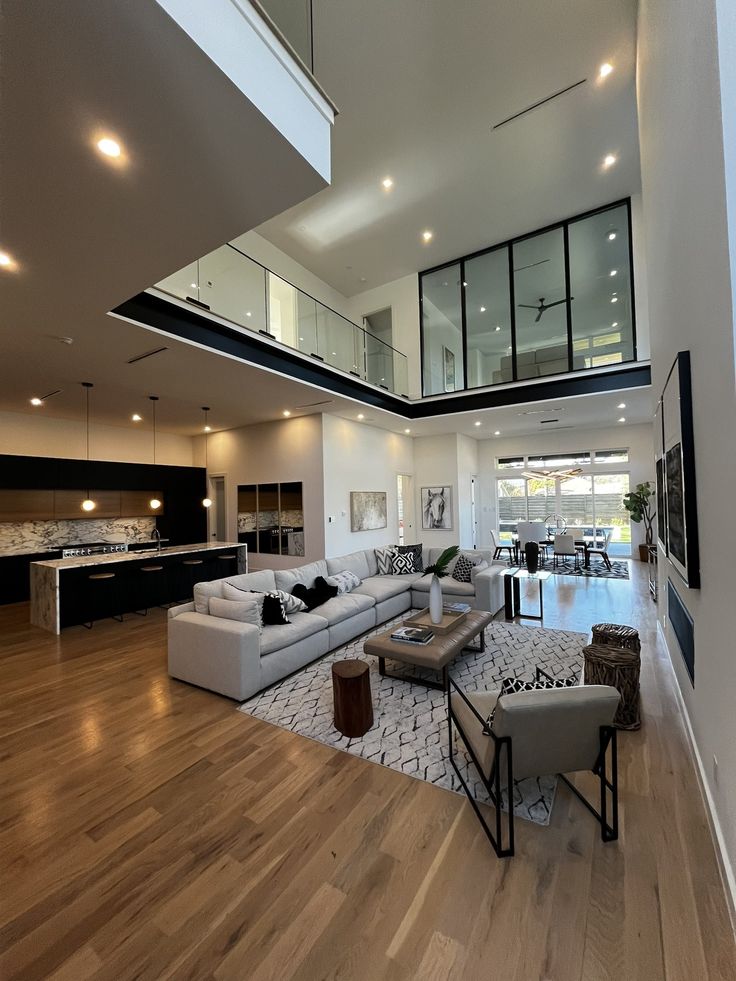
Home Additions 101: Permits, Timelines, and ROI for West University Homeowners

Why additions are different from every other remodel
A kitchen or bathroom remodel happens inside walls that already exist. An addition creates new structure from the ground up — new foundation, new framing, new roofline — which means it touches parts of the process that most remodels never have to deal with: engineering, permitting, and, in neighborhoods like West University and Southampton, sometimes deed restrictions or setback requirements specific to your lot.
None of that should scare you off an addition. It just means the timeline and process look different from what you might expect, and it's worth understanding before you fall in love with a design that your lot or your city's requirements won't actually allow.
The permit process, in plain terms
Before any addition breaks ground, the plans need to go through your city or county's permitting office, which checks the design against building codes, structural requirements, and — depending on your specific municipality — floodplain and drainage rules that are taken very seriously in the Houston area. In neighborhoods with deed restrictions or a homeowners' association, there may be an additional layer of design approval before the city permit is even submitted.
This step typically takes several weeks to a few months, depending on the complexity of the addition and how busy the permitting office is at the time. It's frustrating to wait, but it's not optional, and any contractor who suggests starting construction before permits are finalized is putting your project — and your legal standing with the city — at real risk.
A realistic timeline
Design and engineering: 3–6 weeks
Permitting: 4–10 weeks (varies significantly by municipality and complexity)
Construction: 3–7 months depending on size and scope
Total, start to move-in: roughly 6–12 months for most additions
What actually adds value — and what doesn't
Not every square foot added to a home returns its cost equally. A primary suite addition or a second living area that increases functional bedroom or living count tends to hold value well in neighborhoods like West University and Bellaire, where larger, updated homes are in demand. A highly specialized addition — a dedicated home theater with no other use, for example — can be wonderful to live in but won't necessarily move the needle on resale value the same way.
If ROI matters to your decision, it's worth having that conversation honestly during design, not after construction is finished.
Why the engineering conversation happens before the design gets finalized
We involve structural engineering early in the addition process, not as a final check-the-box step. That's because the foundation type, soil conditions, and how the addition ties into your existing roofline all affect what's actually possible — and it's far better to know that in week two of design than in month three of construction.
